
Geno NIPT 23 Ultra
Screens all 23 chromosome pairs with expanded detection of 90 chromosomal microdeletion/microduplication syndromes.
Screens all 23 chromosome pairs with expanded detection of 90 chromosomal microdeletion/microduplication syndromes.
NIPT is a screening test, not a diagnostic test. Please seek professional advice about eligibility and the meaning of your result.
Understanding NIPT screening
NIPT analyzes cell-free DNA in maternal blood, including DNA originating from the placenta, to assess the chance of selected fetal chromosome conditions. It uses a maternal blood sample without directly sampling the fetus. Packages differ in scope; choose after counseling, not simply by the number of items.
Package screening scope
All 23 chromosome pairs
90 microdeletion/duplication syndromes
What do these items mean?
All 23 chromosome pairs
Extends chromosome-number screening to the 22 autosomal pairs and the sex chromosome pair. “23 pairs” describes screening scope; it does not mean diagnosis of every genetic disease or structural chromosome change.
90 microdeletion/duplication syndromes
Expands the scope to 90 microdeletion/microduplication syndromes in the Ultra panel. A larger panel does not guarantee detection of every disease or higher accuracy for each condition. Discuss the benefits and limitations before choosing expanded screening.
Routine microdeletion/microduplication screening is not recommended for every pregnancy. Expanded panels need specific counseling; discuss diagnostic testing with your clinician if you seek information about structural chromosome changes.
From blood sample to result counseling
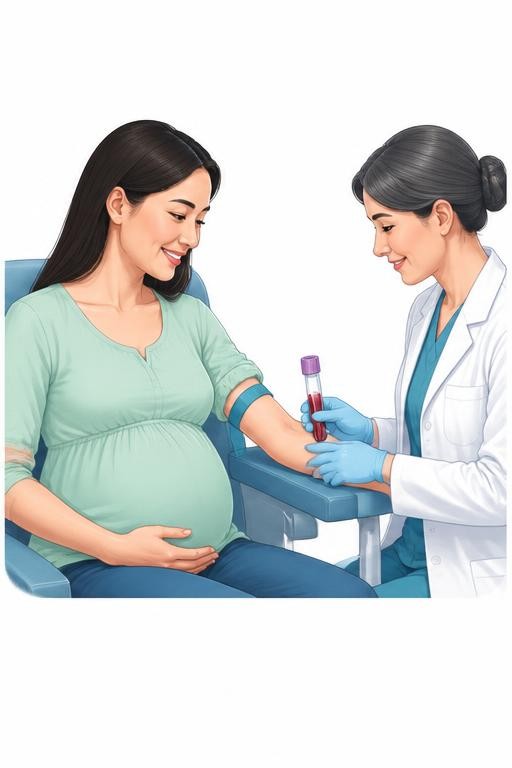
Counseling & maternal blood sample
Confirm gestational age, history and package suitability with your clinician before sampling.
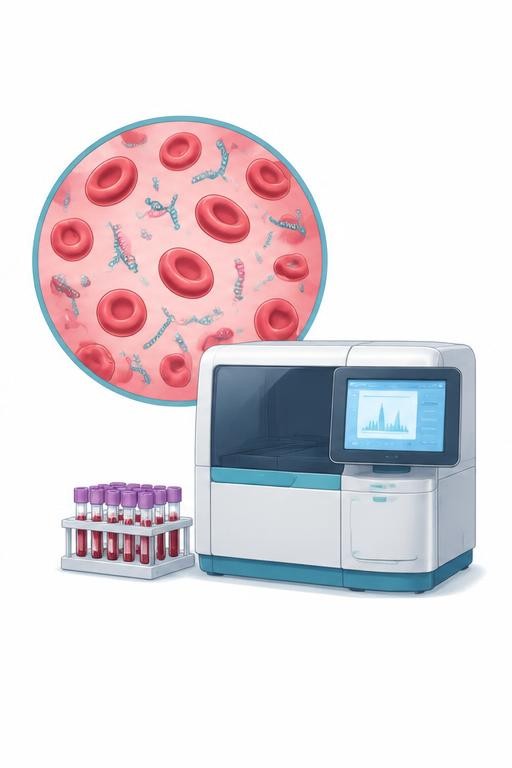
DNA analysis
The laboratory analyzes the sample within the chosen panel. Result turnaround: 2–4 days.

Results & follow-up counseling
Your clinician explains the risk, the result’s limitations and any follow-up needed.
Results & important limitations
Low risk
Makes the screened conditions less likely but does not exclude them. Continue recommended prenatal care and ultrasound; NIPT does not assess every genetic condition or birth defect.
High risk
Does not diagnose an affected fetus. Seek genetic counseling and discuss diagnostic testing such as chorionic villus sampling or amniocentesis before important medical decisions.
No result / nonreportable result
Does not mean low risk. Your clinician will assess whether repeat sampling, ultrasound or diagnostic testing is appropriate.
Included tests
| Test name | Code | TAT |
|---|---|---|
| Geno NIPT 23 Ultra non-invasive prenatal screening | — | 2–4 days |